
Patagonia: A Journey Through South America’s Untamed Wilderness
Explore the breathtaking landscapes of Patagonia, South America’s stunning wilderness, with pristine fjords, dramatic mountains, and rich biodiversity. Discover the best experiences, tips, and itineraries for your journey in this ultimate travel guide.
South America boasts a multitude of wonders, but few are as compelling as Patagonia – a region that spans parts of Argentina and Chile. Known for its rugged terrain, majestic glaciers, and unique wildlife, Patagonia is a paradise for adventurers and nature enthusiasts alike. This guide will help you navigate through its vast landscapes and plan an unforgettable journey in this remote corner of the world.
Understanding Patagonia
Patagonia is not a single destination but a vast region that covers approximately 400,000 square miles across two countries. It’s renowned for diverse landscapes, including the Andes mountains, expansive grasslands, fjords, and the iconic windswept plains. Its remote location has preserved its natural beauty, offering countless opportunities for outdoor activities and exploration.
When to Visit Patagonia
The best time to explore Patagonia largely depends on your interests and the kind of activities you want to pursue. Although many consider the region a year-round destination, here’s a seasonal breakdown:
– **Summer (December to February):** This is the most popular season for travelers thanks to milder weather, longer daylight hours, and fully accessible hiking routes. Expect bustling trails, especially in well-known national parks like Torres del Paine.
– **Autumn (March to May):** The landscape transforms with golden foliage and fewer tourists, offering a more peaceful experience. Temperatures are cooler, but still conducive to outdoor activities.
– **Winter (June to August):** Best for those who love solitude and winter sports. While some areas become less accessible due to snow, others offer skiing and snowboarding. Crowds are minimal, but several accommodations and tours might be closed.
– **Spring (September to November):** A magical time to witness the reawakening of nature, with blooming flowers and returning wildlife. Trail accessibility improves, and it’s generally less crowded than summer.
How to Reach Patagonia
Getting to Patagonia requires some planning as the region is remotely located. Here are common routes:
– **By Air:** Most travelers fly into major airports like El Calafate or Ushuaia in Argentina, or Punta Arenas in Chile. These airports are serviced by domestic flights from cities like Buenos Aires and Santiago.
– **By Bus:** For adventurers with time, long-distance buses connect major cities and small towns in Patagonia, offering a scenic and economical way to travel.
– **By Car:** Renting a car provides flexibility to explore at your pace. Both Argentina and Chile boast extensive road networks, though some roads can be challenging, especially in rural or mountainous areas.
Must-Visit Locations in Patagonia
Torres del Paine National Park
Located in Chilean Patagonia, this iconic park is known for its stunning granite peaks and breathtaking trails. Popular hikes include the W trek and the more extensive O circuit. Wildlife is abundant, with opportunities to spot guanacos, rheas, and the elusive puma.
Perito Moreno Glacier
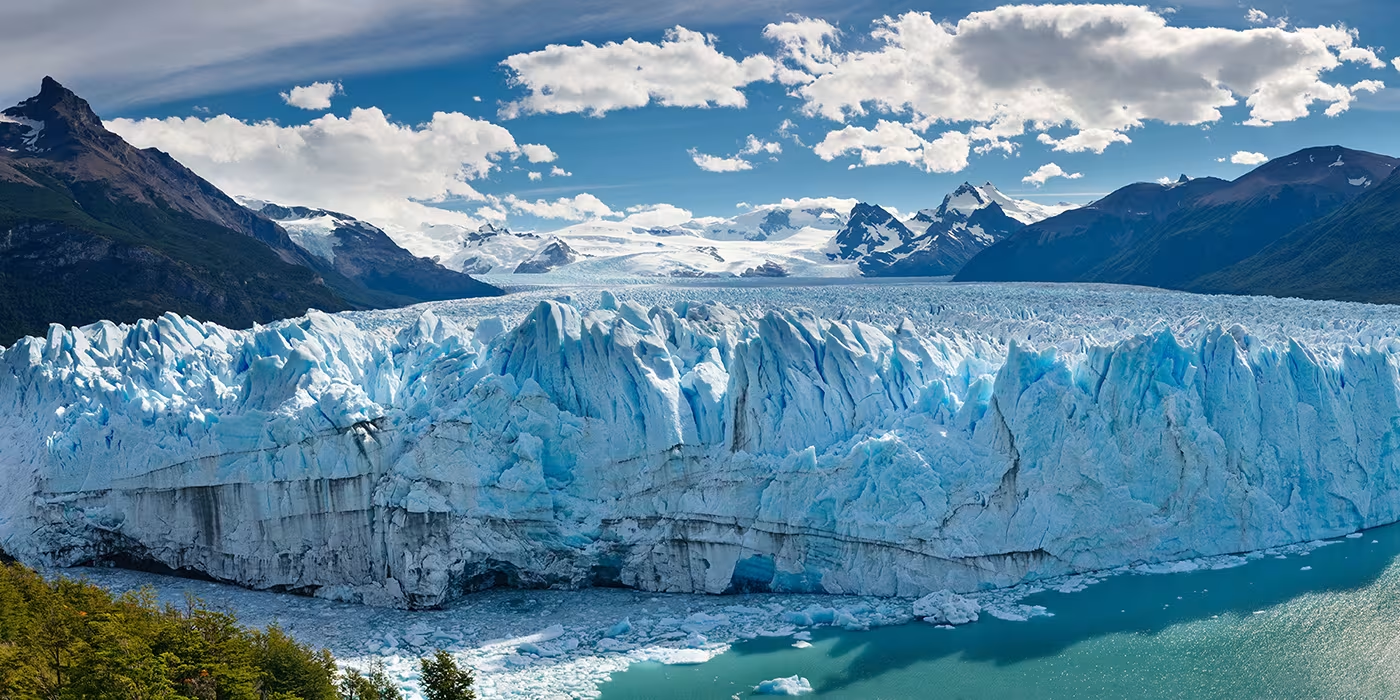
One of the few advancing glaciers in the world, this breathtaking natural wonder is located in Los Glaciares National Park in Argentina. The massive ice formations offer an awe-inspiring view, with options for guided treks on the glacier itself.
Fitz Roy Range
Near the town of El Chaltén, Mount Fitz Roy draws climbers and photographers with its jagged peaks and challenging ascents. Hiking trails like Laguna de los Tres and Laguna Torre provide excellent vantage points for stunning panoramas.
Ushuaia and the Beagle Channel
Known as the southernmost city in the world, Ushuaia is the gateway to Antarctica. The Beagle Channel offers boat tours to see sea lions, penguins, and a rich variety of birdlife. Nearby Tierra del Fuego National Park showcases breathtaking coastal and forested landscapes.
Outdoor Activities and Adventures
Patagonia is synonymous with outdoor adventures. Here are some popular activities you can indulge in:
– **Hiking and Trekking:** With countless trails ranging from day hikes to multi-day treks, options abound for all skill levels. Plan ahead, as conditions can change swiftly.
– **Kayaking and Canoeing:** Paddle through pristine fjords or near glaciers for a unique perspective of the landscape. Instructor-led tours are widely available.
– **Wildlife Watching:** Keep an eye out for unique species, such as the Patagonian fox, Andean condor, and humpback whales, depending on the season and location.
– **Climbing and Mountaineering:** For the experienced climber, mountain ranges like the Andes offer numerous peaks to conquer.
Practical Tips for Traveling in Patagonia
– **Packing:** Be prepared for unpredictable weather. Layered clothing, windproof jackets, and sturdy hiking boots are essential.
– **Currency:** Both Chilean pesos and Argentine pesos are used in their respective countries. Credit cards are widely accepted in larger towns.
– **Connectivity:** While cities and towns have reliable internet, rural and remote areas may have limited connectivity. Plan accordingly for offline maps and communication needs.
– **Safety:** Patagonia is generally safe for tourists, but common precautions apply. Keep an eye on weather forecasts, carry a map and compass, and inform someone of your day’s itinerary, especially for backcountry hikes.
– **Sustainability:** Respect the region’s pristine environment by practicing Leave No Trace principles. Support eco-friendly businesses and local guides.
Cultural Insights and Local Cuisine
Patagonia’s cultural roots are a blend of indigenous heritage and European influences. In Chile, you’ll encounter the traditions of the Mapuche people, while in Argentina, you might see a Spanish-Italian imprint.
Cuisine in Patagonia reflects its rugged environment. Don’t miss the chance to try local favorites such as:
– **Asado:** A traditional barbecue of lamb or beef, slow-cooked over a wood fire.
– **Empanadas:** Handheld pastries filled with meat, cheese, or vegetables.
– **Seafood Stews:** Particularly along the coastal areas, brewed with fresh catch.
– **Calafate Berry Products:** Sweets and liqueurs made from the native calafate berry, promising those who consume it a return trip to Patagonia as the legend suggests.
Conclusion
Patagonia remains one of the world’s last great wilderness areas, offering a journey into the heart of nature’s raw beauty. Whether it’s towering glaciers, sweeping landscapes, or unparalleled wildlife encounters, Patagonia promises an adventure that will leave a lasting imprint on your senses and soul. Plan thoughtfully, respect the terrain, and immerse yourself fully to experience all that this remarkable region has to offer.