
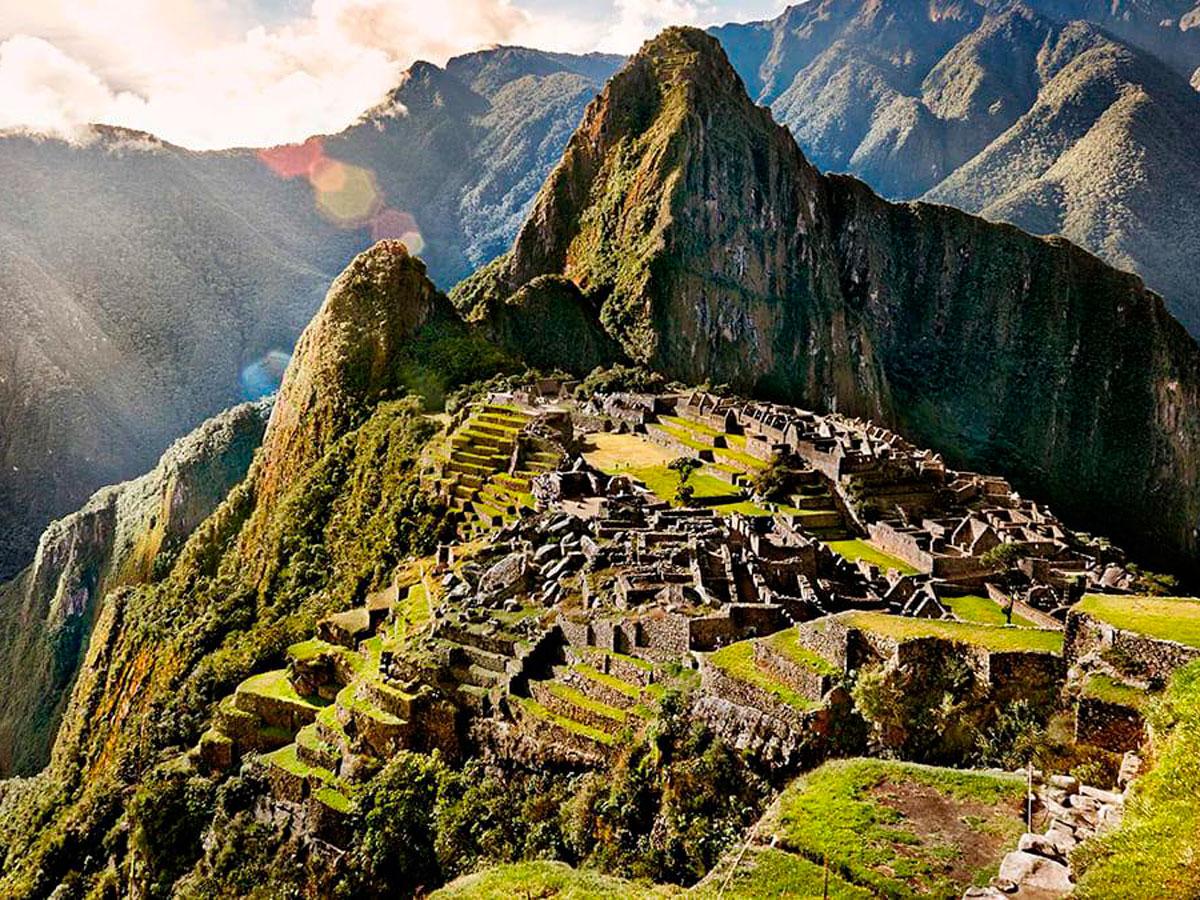
Discover the Enchantment of Machu Picchu: A Guide to Exploring Peru’s Crown Jewel
Uncover the wonders of Machu Picchu with this comprehensive travel guide. Explore ancient ruins, cultural highlights, and practical tips for making the most of your journey to this iconic South American destination.
Nestled high in the Andes Mountains of Peru, Machu Picchu stands as one of South America’s most alluring destinations, a relic of the mighty Inca Empire. Often shrouded in mist and mystery, this UNESCO World Heritage Site attracts travelers from around the globe, longing to tread its ancient pathways and soak in its breathtaking vistas. Whether you are an intrepid backpacker or a luxury traveler, Machu Picchu offers a unique convergence of history, culture, and natural beauty that promises to enrich any visitor’s soul.
Getting to Machu Picchu
The journey to Machu Picchu is as epic as the site itself. Most travelers will begin their adventure in Cusco, a vibrant city that was once the heart of the Inca Empire. Situated at 3,400 meters above sea level, Cusco is a destination in its own right, with its cobblestone streets, colonial architecture, and vibrant local markets.
From Cusco, there are several ways to reach Machu Picchu.
The Inca Trail: The quintessential trek for those seeking adventure, the Inca Trail is a four-day hike that traverses through cloud forests, alpine tundra, and ancient ruins. Due to its popularity, permits for the trail are limited, so booking several months in advance is essential. Along the route, trekkers can witness stunning views and natural beauty that set the perfect prelude to arriving at Machu Picchu.
Train: For those seeking a less arduous journey, the train from Cusco or the Sacred Valley (Ollantaytambo) offers a comfortable and scenic alternative. The journey winds along the Urubamba River and provides travelers with eye-catching views of the rugged Andean countryside. PeruRail and Inca Rail offer a variety of service classes, from economy to luxury.
Bus: From Aguas Calientes, the town nearest Machu Picchu, a short bus ride takes travelers up the final stretch to the entrance. The journey is a zigzag ascent along a steep road, with each turn offering glimpses of what awaits above.
Exploring the Ruins
Machu Picchu is a marvel of engineering and ingenuity, with its meticulous stone structures and terraces defying the steep slopes surrounding it. Here’s a guide to some of the site’s most captivating features.
The Main Temple: Standing prominently in the Sacred Plaza, the Main Temple is a testament to Inca architectural prowess. Its polished stones and precise construction demonstrate the importance of this ceremonial site, thought to be a place for high priests to perform sacred rituals.
Intihuatana Stone: Often called the “Hitching Post of the Sun,” this stone structure is believed to be an astronomical clock or calendar. It is meticulously crafted to cast no shadow at noon on the equinox, making it an impressive example of Inca knowledge of celestial events.
Temple of the Sun: This rounded tower-like structure features some of the finest stonework found in Machu Picchu. During the June solstice, sunlight aligns perfectly with its windows, illuminating the temple’s intricate walls.
The Sacred Plaza: This site was likely the religious heart of Machu Picchu. In addition to the Main Temple, it houses the Temple of the Three Windows, which frames breathtaking views of the Andean peaks.
Huayna Picchu and Machu Picchu Mountain: For adventurous travelers, a climb up one of these mountains offers unrivaled panoramic views. While Huayna Picchu is steeper and more challenging, it rewards climbers with sweeping vistas and a closer view of the ruins perched below. Machu Picchu Mountain provides a gentler ascent but equally stunning scenery.
Cultural Experiences
While Machu Picchu’s ruins are the primary draw, the culture of the Andean region adds richness to any visit.
Quechua Traditions: As the descendants of the Inca, the Quechua people keep many of their ancestral traditions alive. Visitors can attend community weaving workshops to learn about traditional textile techniques, often characterized by vibrant colors and intricate patterns.
Local Cuisine: Peruvian food is a tapestry of diverse flavors. Savvy travelers should not miss out on sampling local specialties, such as ceviche, lomo saltado, or cuy (guinea pig). A visit to local markets can also reveal an array of exotic fruits and vegetables native to the region.
Festivals: If your visit coincides with one of Cusco’s festivals, such as Inti Raymi (Festival of the Sun), you’ll witness traditional music, dances, and rituals. These festivities provide insight into the deeply rooted cultural heritage of the Andean people.
Practical Tips for Your Visit
Weather Considerations: The best time to visit Machu Picchu is during the dry season from May to September when the weather is more predictable, and the skies are generally clearer. However, be prepared for cooler temperatures, especially at night.
Accommodations: Machu Picchu’s proximity to Aguas Calientes (also known as Machu Picchu Pueblo) offers a variety of accommodation options, from budget hostels to luxury hotels. For a unique experience, consider staying at the Belmond Sanctuary Lodge, a splurge-worthy property located just outside the entrance to Machu Picchu.
Tickets and Permits: To preserve the integrity of the site, visitor numbers are capped, so it is advisable to purchase entrance tickets well in advance. If planning to hike Huayna Picchu or Machu Picchu Mountain, additional permits are required.
Altitude Awareness: Altitude sickness can be a concern for travelers to the region. It’s wise to spend a few days acclimatizing in Cusco before ascending higher. Drinking coca tea, staying hydrated, and taking it easy during the first few days can help mitigate symptoms.
Respectful Tourism: As a site of immense cultural and historical significance, treating Machu Picchu with respect is paramount. Follow the established paths, avoid touching the stonework, and carry out any waste. This ensures that future generations can also appreciate its wonder.
In Summary
Machu Picchu is much more than a postcard-perfect snapshot; it’s an immersive journey into the heart of ancient civilization, set amidst one of the world’s most dramatic landscapes. This guide offers a starting point for travelers seeking to delve into the splendor of Peru’s iconic site. Whether you’re exploring overgrown paths, engaging with Quechua heritage, or simply standing in awe on the terraces, Machu Picchu promises an unforgettable experience—a testament to human ingenuity and our timeless connection to the natural world.